
01 / UNDERWRITING
Binding risk
When an AI-supported workflow accepts a risk, who owns the assumptions, portfolio fit, delegated authority, and conditions for changing future acceptance?
AI is changing how quickly insurers bind risk, set reserves, and authorize payments. I advise P&C executives on the decision rights, evidence, and intervention authority needed to keep those actions economically defensible—at the moment they occur, not years later.
Upendra Belhe, Ph.D. · President, Belhe Analytics Advisory
P&C insurers do not merely process transactions. They accept risk, estimate obligations, and make commitments whose consequences can take years to emerge. Faster execution increases the value of decision discipline—and the cost of missing it.
When an AI-supported workflow accepts a risk, who owns the assumptions, portfolio fit, delegated authority, and conditions for changing future acceptance?

When recommendations accelerate case handling, can the carrier reconstruct the evidence and authority behind a reserve, settlement, or payment?

When emerging experience challenges established rules, does someone have both the accountability and an effective route to intervene?
I work with carrier executives on the decisions that change an insurer’s economics: accepting risk, setting reserves, authorizing payments, and revising the rules when experience challenges assumptions. The objective is to make ownership, delegated authority, evidence, and intervention rights explicit before decisions scale.
How I work with executivesTechnology executes quickly. Insurance economics reveal themselves over time. Governance must connect the two.
AI assembles information, recommends action, and moves cases toward a decision at machine speed.
Ultimate claim outcomes, loss development, and portfolio profitability may take much longer to become clear.
Illustrative contrast: actual development periods vary by product and line of business.

Economic defensibility, supporting evidence, and legitimate delegated authority must all hold together.
Read articleA better AI output matters only if it changes underwriting and claims decisions and improves portfolio economics.
Read articleMore persuasive case files are not necessarily easier to verify or defend when a consequential claim is challenged.
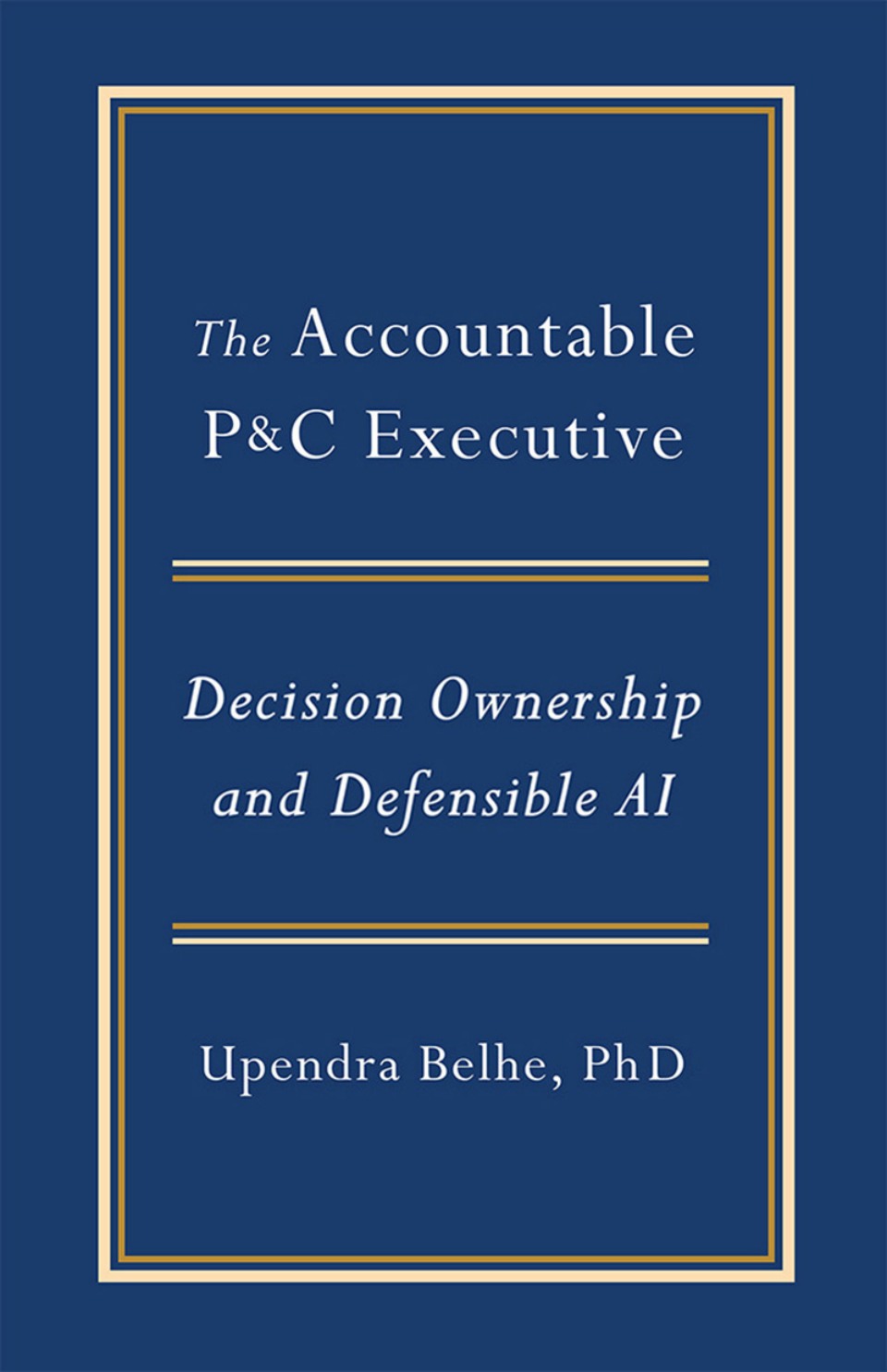
Read articleDecision Ownership and Defensible AI
An examination of what it takes to make consequential insurance decisions economically defensible, supported by evidence, and executed within clear authority as AI becomes embedded in the enterprise.
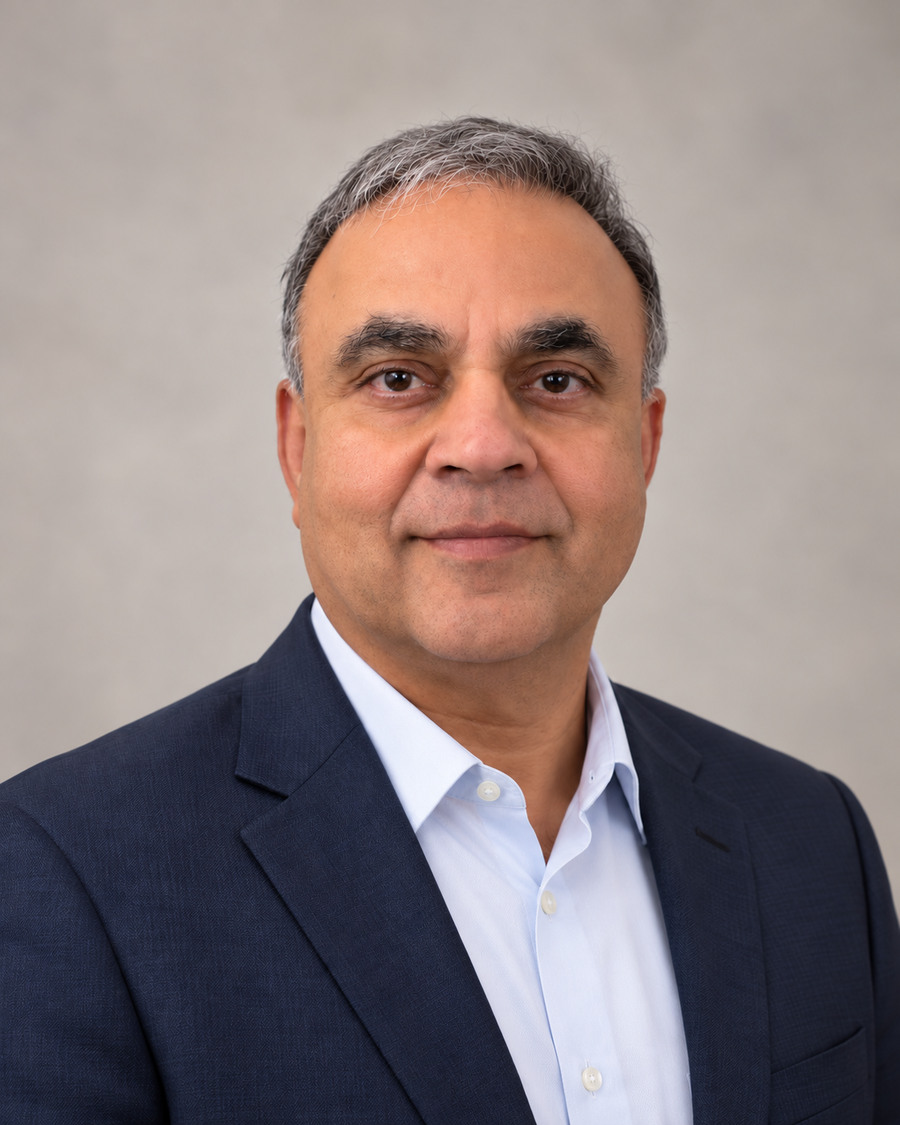
Dr. Upendra Belhe brings experience spanning insurance, reinsurance, analytics leadership, and advisory work. His focus is not AI for its own sake, but the business accountability that must remain intact as insurers redesign how decisions are made.
About Dr. Belhe